Zoltrakk Deep lore. Sharp play. UK-grown.

Zoltrakk

Deep lore. Sharp play. UK-grown.

Latest Articles

Trolley Wights and Checkout Oracles: Running the Retail Park as a Megadungeon
Tabletop

Trolley Wights and Checkout Oracles: Running the Retail Park as a Megadungeon

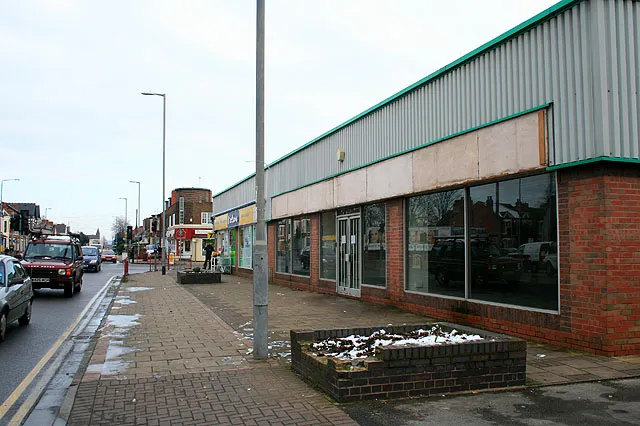
Britain's out-of-town retail parks are already dungeons: ring roads for moats, car parks for trackless wastes, and a cinema for the boss arena. Here's how to map one for your table without losing the strange poetry of the B&Q lighting aisle.

Three Digits and a Wait: Worldbuilding at Teletext Speed
Worldbuilding

Three Digits and a Wait: Worldbuilding at Teletext Speed

Ceefax never dumped its lore. It rationed it across numbered pages, made you wait for the carousel, and hid the good stuff behind a three-digit detour. Here is how 2026's indie developers and tabletop designers can steal that broadcast rhythm for worlds that feel found rather than uploaded.

The Country Is Already Mapped: Running Campaigns Along the Pylon Line
Worldbuilding

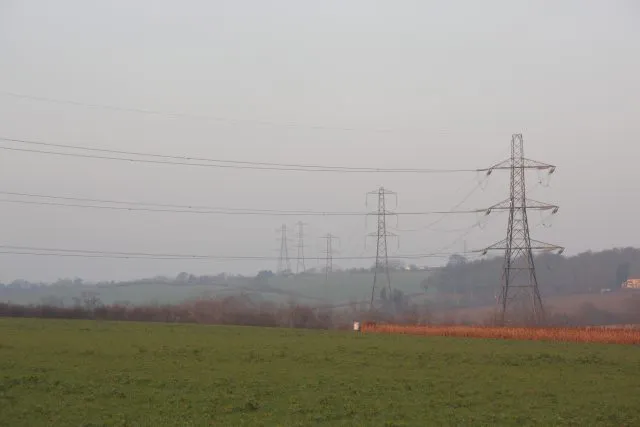
The Country Is Already Mapped: Running Campaigns Along the Pylon Line

Britain's electricity grid is a fantasy map that happens to be real: steel nodes, fenced substations, wayleave corridors and numbered plates. Here is how GMs and arena designers can read it for territory, risk and energy that feels physical at the table.

Half-Eaten Lettering: Why Your Next Fantasy Town Needs a Ghost Sign
Worldbuilding

Half-Eaten Lettering: Why Your Next Fantasy Town Needs a Ghost Sign

Britain’s high streets are covered in faded painted adverts — ghost signs that have been painted over, built around and half-forgotten. They’re a free masterclass in layered worldbuilding, and this piece shows how to read one and turn it into lore for your next tabletop campaign or indie game.

The 00:48 Oracle: Running a Coastal Campaign by Broadcast Weather
Tabletop

The 00:48 Oracle: Running a Coastal Campaign by Broadcast Weather

The BBC Shipping Forecast is already a ritual: a voice, a fixed list of sea areas and a cadence that tells you when to rest. Here is how to turn that very British broadcast into a playable oracle for coastal tabletop campaigns, with contested hexes, gale fronts and faction ports that move when their names are read aloud.

The Welcome Break at the Edge of the Map: Turning UK Service Stations Into Dungeon Hubs
Tabletop

The Welcome Break at the Edge of the Map: Turning UK Service Stations Into Dungeon Hubs

Every campaign needs a hub, and most GMs reach for yet another tavern. Britain already has a better template, and you've queued in it at 11pm: the motorway service station. Here's how to turn fluorescent lighting, a fuel-station economy and a very tired Costa into a dungeon level your players will actually remember.

The Notice on the Lamppost: Reading a Planning Row Like a Faction Map
Worldbuilding

The Notice on the Lamppost: Reading a Planning Row Like a Faction Map

A zip-tied planning notice, three WhatsApp groups and a village hall meeting that runs long: Britain's green belt disputes are faction maps waiting to be read. Here's how to turn consultation documents and committee rooms into contested territory your players actually care about — without turning real neighbours into cartoon villains.

The Shed Council Will See You Now: Allotment Economics for Sharper Campaigns
Tabletop

The Shed Council Will See You Now: Allotment Economics for Sharper Campaigns

Most fantasy economies are loot treadmills: kill, loot, upgrade, repeat. Britain already has a sharper model sitting behind a padlocked gate and a handwritten waiting list. This is how allotment culture — scarcity, shared tools, crop rotation and shed politics — can make your next tabletop campaign or indie game economy feel like somewhere real people actually live.

Slow Water, Sharp Play: Running a Tabletop Campaign at Canal-Lock Pace
Tabletop

Slow Water, Sharp Play: Running a Tabletop Campaign at Canal-Lock Pace

Britain's canal locks are more than scenery: they are a pacing engine, a resource sink and a social pressure cooker. This is how to build a lock-flight adventure where every paddle turn costs time, every queue is a faction move, and the slowest route often wins.

The Snug Is the Dungeon: Why Britain's Boozers Beat Its Castles
Tabletop

The Snug Is the Dungeon: Why Britain's Boozers Beat Its Castles

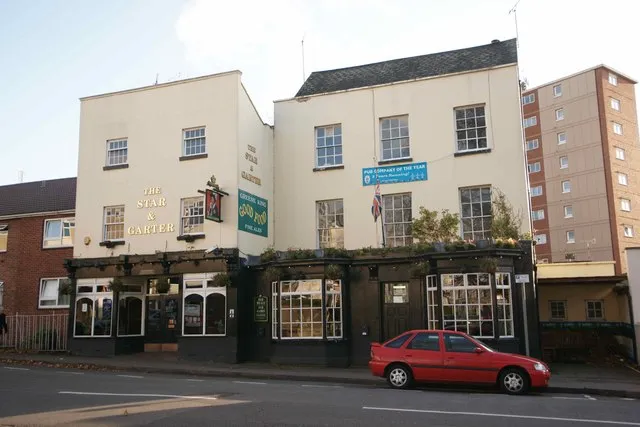
Castles are designed. Pubs are accumulated—and that makes them a far better template for tabletop dungeons. Here's how to map your local, stock it with lock-ins and cellar floods, and turn the snug into a boss room.

Kissing Gates and Contested Corridors: Build Dungeons Like a British Footpath
Worldbuilding

Kissing Gates and Contested Corridors: Build Dungeons Like a British Footpath

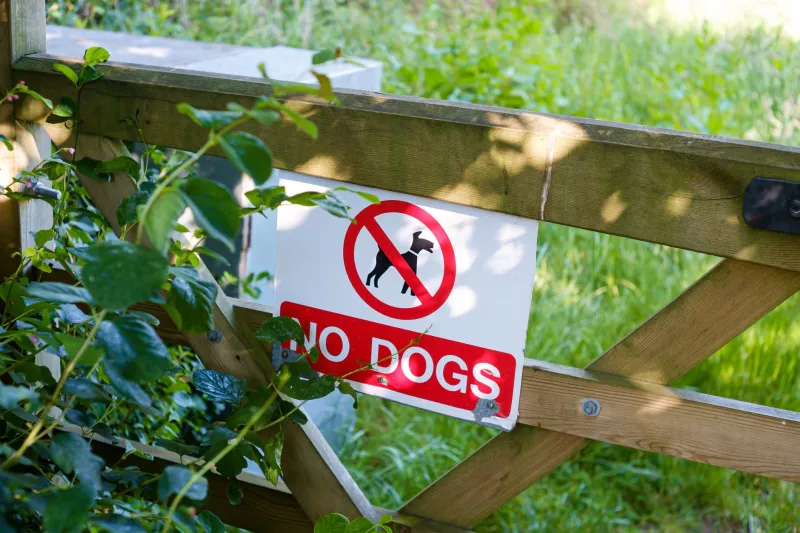
Britain’s rights of way are not just lines on a map; they are centuries of argument, negotiation and habit pressed into the landscape. This piece looks at stiles, gates, definitive maps and access law as a design grammar for RPG dungeons that feel lived-in, contested and genuinely strategic.

The Hill Remembers: Chalk Giants and the Art of the Campaign Anchor
Worldbuilding

The Hill Remembers: Chalk Giants and the Art of the Campaign Anchor

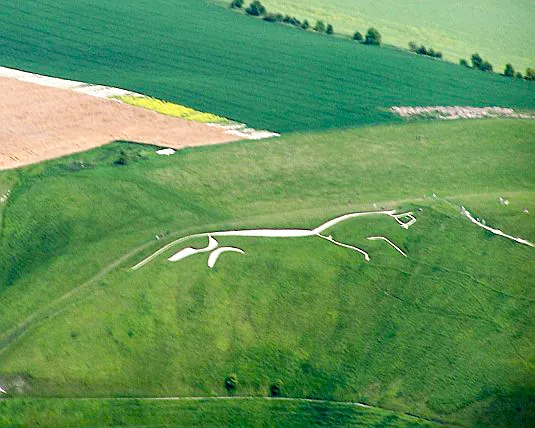
Britain’s chalk figures are not just enormous drawings on hillsides — they are maintenance schedules, local arguments and rituals with legs. Here’s what Uffington, Wilmington and their kin can teach fantasy mapmakers about landmarks that hold memory, and how to invent your own without lifting the National Trust’s homework.

The Inlay of the Land: Lore Lessons from the ZX Spectrum’s Photocopied Manuals
Worldbuilding

The Inlay of the Land: Lore Lessons from the ZX Spectrum’s Photocopied Manuals

Before wikis and in-game codexes, UK players learned whole worlds from a few photocopied pages folded into a cassette case. The ZX Spectrum’s scruffy, cryptic manuals still offer a sharp masterclass in low-budget lore design for 2026’s indie tabletop and digital creators.

Two Pence of Deep Time: What Britain's Seaside Arcades Still Teach Indie Worldbuilders
Worldbuilding

Two Pence of Deep Time: What Britain's Seaside Arcades Still Teach Indie Worldbuilders

The UK's surviving coastal arcades are accidental museums of play, where peeling cabinet art and biro-scrawled high score boards do more worldbuilding than most codex screens ever manage. We went to the seaside in the rain and came back with notes for indie developers.

The Gate in the Hedge: British Folk Horror Is 2026’s Sharpest RPG Engine
Tabletop

The Gate in the Hedge: British Folk Horror Is 2026’s Sharpest RPG Engine

The new wave of UK small-press horror RPGs does not import monsters; it makes the parish, the footpath and the village gossip do the work. Here is what is worth putting on your table in 2026, and how to run a one-shot that feels properly local.

The Paper Server: How UK Game Shops Turn Corkboards Into Campaign Engines
Tabletop

The Paper Server: How UK Game Shops Turn Corkboards Into Campaign Engines

In an age of Discord servers and digital LFG tools, the humble shop noticeboard is quietly doing some of the best recruitment work in UK tabletop. We look at how cork, pins and handwritten rumours turn local game shops into living campaign hubs — and how to build one without letting it become wallpaper.

Speak Like You’re From Somewhere: Regional Voices Are UK Fantasy’s Secret Weapon
Worldbuilding

Speak Like You’re From Somewhere: Regional Voices Are UK Fantasy’s Secret Weapon

Fantasy games love a posh villain and a vaguely northern blacksmith. That is not a voice — it is a costume. The UK’s regional accents carry class, place and history, and indie RPGs are finally starting to use them properly.

Tabletop

Mind the Gap: How the UK Commute Became a Solo Dungeon Crawl

The 07:42 has no tavern, no party and a seat that smells faintly of someone else’s coffee. It is also, according to a growing band of UK designers, one of the best dungeons in the country. A look at solo tabletop and handheld play built for the twenty-minute journey.

Wipe Club: Why UK Competitive Scenes Are Learning to Love the Seasonal Reset
Competitive Play

Wipe Club: Why UK Competitive Scenes Are Learning to Love the Seasonal Reset

Leagues up and down the country are doing something that would have felt like sacrilege a few years ago: printing the final standings, putting up a trophy, and then deleting the ladder entirely. We look at why the seasonal wipe has become the most popular format in British competitive play — and what it costs.

Fifty Pence of Lore: Building a Campaign World Out of Charity Shop Leftovers
Tabletop

Fifty Pence of Lore: Building a Campaign World Out of Charity Shop Leftovers

A cracked-spine paperback, a 1970s county map and a bag of mismatched miniatures can do more for your setting than any campaign book. A practical guide to letting second-hand finds write your world — and keeping it unmistakably British without reaching for the same old elves.